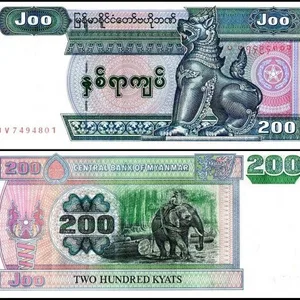
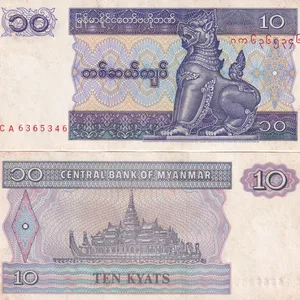
Myanmar 200 Kyats Rare GEM UNC Note – A Valuable Addition for Currency Collectors
For collectors who appreciate historic banknotes and rare paper currency, the Myanmar 200 Kyats Rare GEM UNC Note represents a fascinating piece of Southeast Asian monetary history. Vintage banknotes are more than just old currency. They reflect the political, economic, and cultural story of a country at a specific moment in time.
This rare collectible banknote stands out because of its GEM UNC (Gem Uncirculated) condition, meaning the note remains crisp, clean, and free from the wear normally seen in circulated currency. For collectors, condition is everything. A well-preserved note like this maintains its sharp edges, original paper texture, and vibrant design details.
Whether you are a world banknote collector, numismatics enthusiast, or someone building a vintage currency collection, this Myanmar 200 Kyats note offers both visual appeal and historical significance.
Key Features ...
The Myanmar 200 Kyats Rare GEM UNC Note is an exceptional collectible banknote issued by the Central Bank of Myanmar in 2004 during the Union of Myanmar period (1988-2011). This standard circulation note, measuring 150 × 69 mm, represents an important snapshot of early 21st-century Southeast Asian monetary history.
What sets this piece apart is its pristine GEM Uncirculated condition—a grade that guarantees the note has never entered general circulation. The banknote retains its original crispness, vibrant colors, and intricate design details that showcase Myanmar's cultural heritage. For numismatists and world currency collectors, this preserved state significantly enhances both aesthetic appeal and investment potential.
The 2004 vintage places this note within a historically significant era for Myanmar, making it particularly desirable for those documenting the country's economic evolution. Its rarity in such exceptional condition, combined with its paper composition and dimensional specificity, makes it a standout addition to any serious world banknote collection. Collectors value this item for its historical narrative, artistic design, and the challenge of acquiring notes in museum-quality preservation.
---
#